Historical Evolution of the “Bag in the Bag” Concept
The concept of layering has long been a cornerstone of fashion and functionality, with bags being no exception. Originating in the late 19th century, the “bag in the bag” design was initially used to protect valuable contents such as jewelry or documents during transit. This innovative approach quickly gained popularity for its practicality and aesthetic appeal. By the mid-20th century, luxury brands had embraced this concept, creating bags that were both stylish and durable.



Materials and Finishes: Elevating Luxury
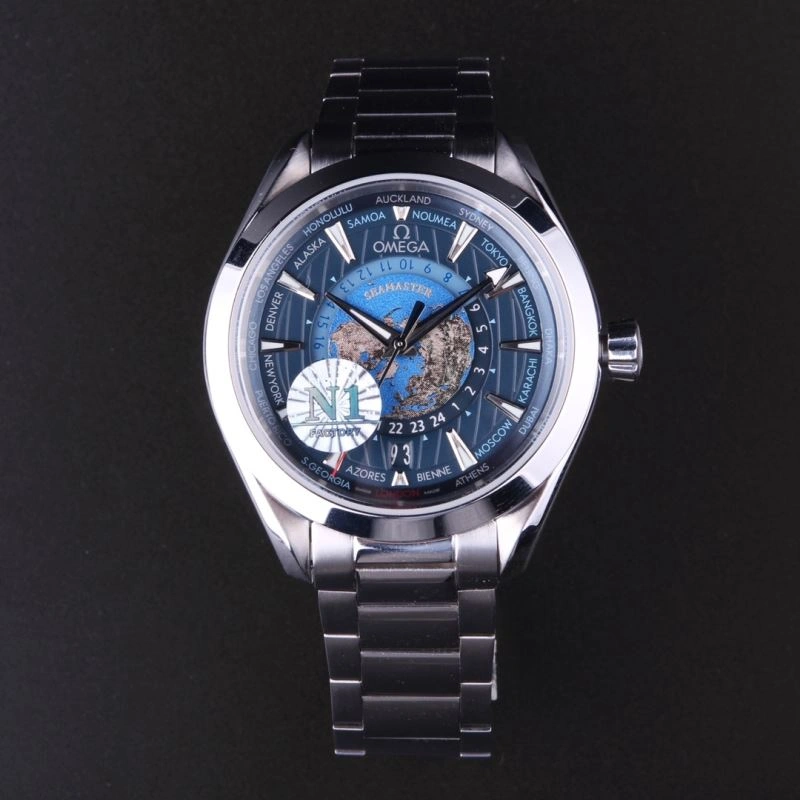
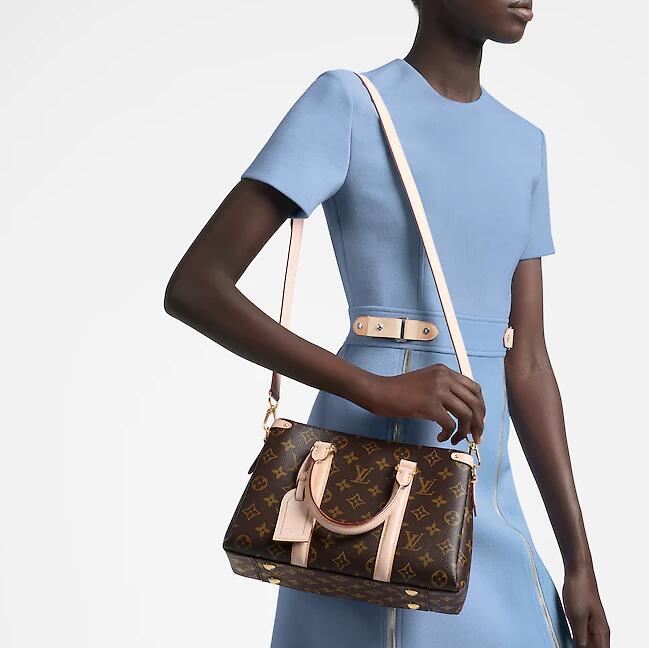
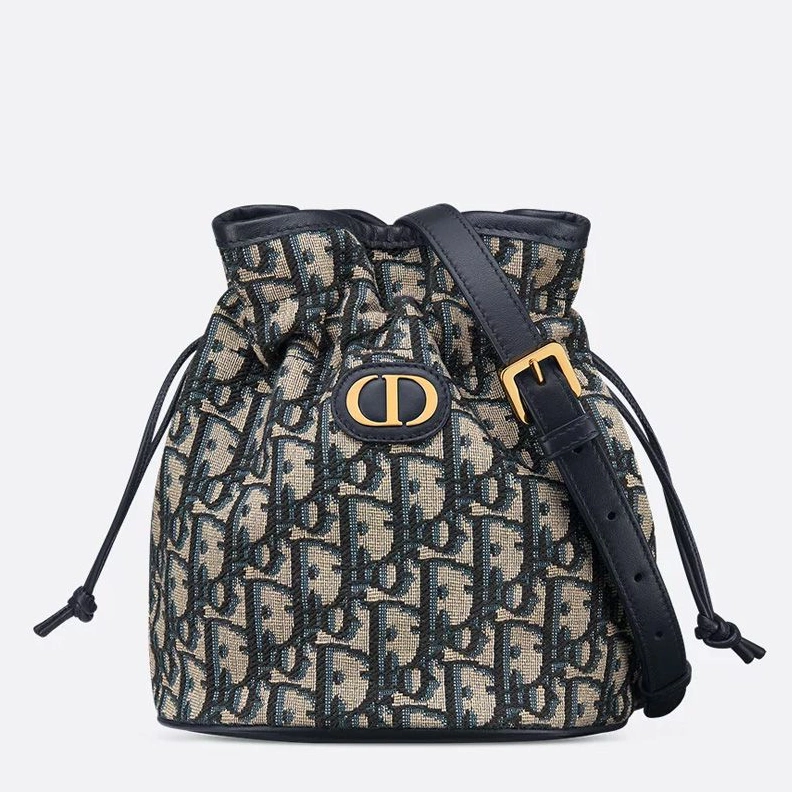
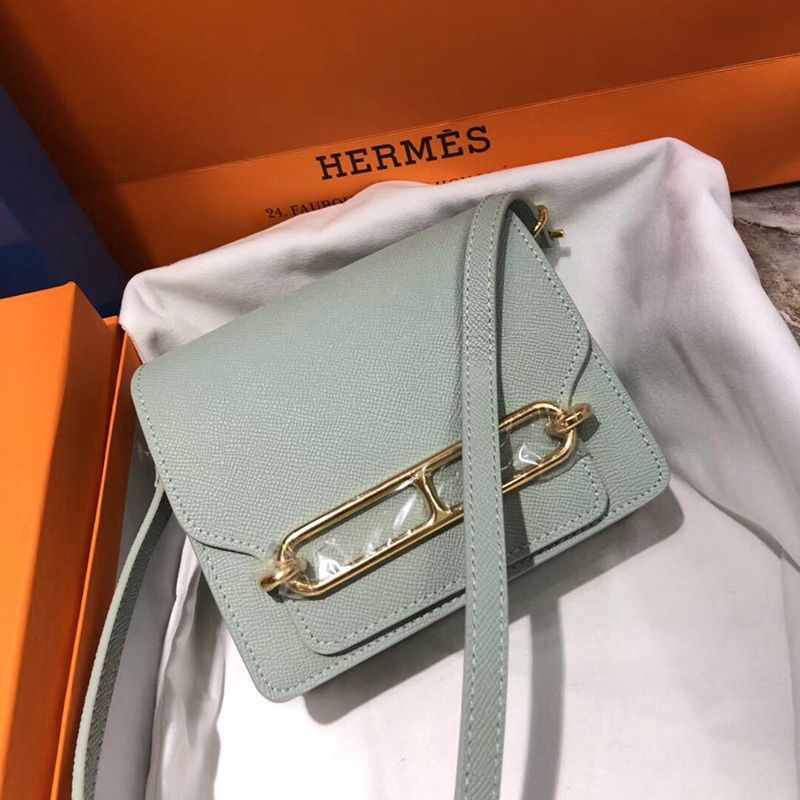
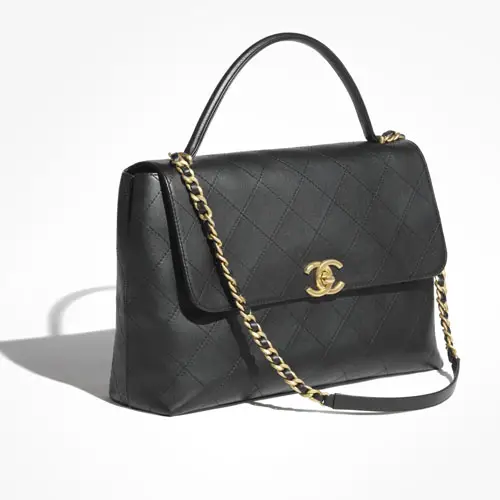
Modern “bag in the bag” designs often feature premium materials such as cashmere-lined fabric for linings, Italian leather exteriors with gold accents, or jacquard patterns for a sophisticated look. Some high-end bags even incorporate eco-friendly materials like recycled cotton or organic canvas, blending luxury with environmental consciousness.
Functionality and Durability: A Balanced Design
While aesthetics are crucial in luxury design, functionality cannot be overlooked. High-quality “bag in the bag” products often come equipped with features such as water-resistant coatings, adjustable straps, or multiple compartments to enhance usability. These functional elements ensure that the bags not only look luxurious but also serve their purpose effectively.
Aesthetic Appeal: Visual Impact and Status Symbol
The “bag in the bag” design is renowned for its ability to command attention. The contrast between layers of fabric, textures, and colors creates a striking visual effect that immediately communicates exclusivity. This makes such bags ideal as statement pieces or luxury accessories, perfect for special occasions or high-end wardrobes.
Customization Options: Tailored for the Elite
Luxury consumers often seek uniqueness in their fashion and accessory choices. Many “bag in the bag” models offer customization options such as engravings, initials, or personalized linings. Some brands even allow customers to choose the color scheme of the inner bags, ensuring that each piece is a one-of-a-kind masterpiece.
Sustainability: Eco-Friendly Luxury
With growing consumer awareness of environmental issues, many luxury brands are now offering “bag in the bag” designs made from eco-friendly materials. Many high-end bags use recycled or biodegradable fabrics, making them not only stylish but also responsible choices for today’s conscious consumers.
Exclusivity as a Luxury Trait
The concept of exclusivity is central to luxury branding. “Bag in the bag” designs often strike a perfect balance between uniqueness and practicality, making them ideal for customers seeking both style and sophistication. This exclusivity not only enhances the brand’s image but also positions these bags as premium products that command higher prices.
Future Trends: Innovations in Design
Looking ahead to 2025, we can expect even more innovation in “bag in the bag” designs. Sustainability will remain a key trend, with brands exploring new eco-friendly materials and technologies. Additionally, minimalistic yet luxurious bags featuring cutting-edge features like foldable inner layers or water-resistant coatings are expected to gain popularity.
As luxury consumers continue to prioritize quality over quantity, “bag in the bag” designs are poised to remain a cornerstone of high-end fashion and accessories. By combining timeless elegance with modern functionality, these bags will likely continue to redefine what luxury means for years to come.